Maternal Mental Health Resources

No mom should face motherhood challenges alone. We connect you to resources, professionals, and support tailored to maternal mental health needs.

You're Not Alone

Image

Mental health conditions impact 1 in 5 moms. 1

Image

75% of women with maternal mental health conditions go untreated, putting mothers, babies, and families at risk. 3

Image

Maternal mental health conditions are the most common complication of pregnancy, affecting 800,000 U.S. families each year.2

Image
Almost all women who face maternal mental health challenges can recover with help and available resources.

Helpful Resources

Office of Maternal and Child Health

Learn who is at risk, warning signs, and programs to get perinatal mental health help.

Postpartum Support International Utah Chapter

Learn about help, information, and resources regarding perinatal mental health for all parents.

Maternal Mental Health Referral Network

Find trained professionals and support groups in perinatal mental health (during pregnancy and postpartum).

Resources are available for depression, anxiety, infertility, miscarriage, birth trauma, and more.

6 Mental Health Tips
For Moms

Imagea person sleeping
Image

Sleep

One of the best things new parents can do for their mental and physical health is get 4–5 hours of uninterrupted sleep. Talk with your partner, family, or friends about ways to make this happen. You might try sleeping in a separate room and having another adult, like a partner, grandparent, or close friend, cover a stretch of the night so you can rest without interruptions.
a person that is sitting and resting after a workoutImage
Image
Physical Activity
Moving your body can make a big difference in how you feel after having a baby. Physical activity lowers the risk of postpartum depression, and even small amounts help. Try 15 minutes of yoga or a 20-minute walk. Bonus points for getting outside for the extra benefits of fresh air, sunshine, and a change of scenery to boost your mood.
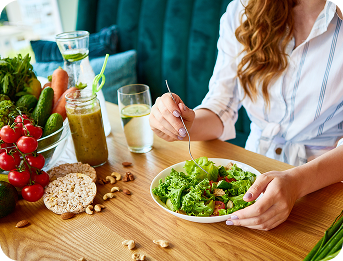
a person that is eating a saladImage
Image
Nutrition and Hydration
Breastfeeding parents don’t need a special diet; just eat balanced meals and drink to thirst. In the early months, it’s common to feel extra hungry or thirsty, so follow your body’s cues. A healthy diet includes water, protein-rich foods (like lean meats, beans, nuts, or eggs), whole grains, fruits, and vegetables. Try to limit foods high in sugar, saturated fat, and sodium. Set up a snack station for you with water and healthy snacks where you usually sit to feed your baby, so it’s easy to grab what you need.
ImageImage
Image
Regular Breaks from Parenting
Parenting is important, but so is taking breaks. Even 15 minutes a day doing something you enjoy, such as taking a shower, reading a book, watching a show, chatting with a friend, or savoring your favorite drink, can help you recharge. Taking time to “fill your cup” protects your health and gives you the energy to care for your little one.
ImageImage
Image
Practice Relaxation and Mindfulness Techniques
Relaxation and mindfulness can boost your mental well-being. Explore resources here to help you get started.
Imagethree persons that are smiling together
Image
Social Support
Caring for a newborn can feel overwhelming and isolating. Support from family, friends, neighbors, or faith communities can make a big difference. Whether it’s listening without judgment, offering guidance, or helping with meals, childcare, or errands, lean on your community for support.
of
Image
Image

Sleep

One of the best things new parents can do for their mental and physical health is get 4–5 hours of uninterrupted sleep. Talk with your partner, family, or friends about ways to make this happen. You might try sleeping in a separate room and having another adult, like a partner, grandparent, or close friend, cover a stretch of the night so you can rest without interruptions.

Image
Image
Physical Activity
Moving your body can make a big difference in how you feel after having a baby. Physical activity lowers the risk of postpartum depression, and even small amounts help. Try 15 minutes of yoga or a 20-minute walk. Bonus points for getting outside for the extra benefits of fresh air, sunshine, and a change of scenery to boost your mood.
Image
Image
Nutrition and Hydration
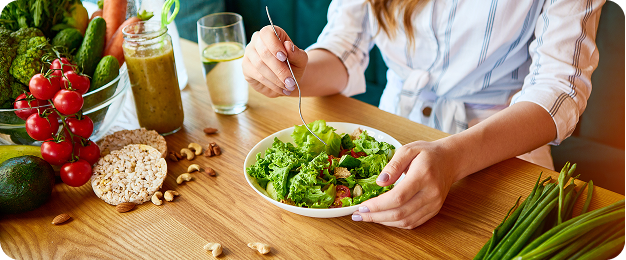
Breastfeeding parents don’t need a special diet; just eat balanced meals and drink to thirst. In the early months, it’s common to feel extra hungry or thirsty, so follow your body’s cues. A healthy diet includes water, protein-rich foods (like lean meats, beans, nuts, or eggs), whole grains, fruits, and vegetables. Try to limit foods high in sugar, saturated fat, and sodium. Set up a snack station for you with water and healthy snacks where you usually sit to feed your baby, so it’s easy to grab what you need.
Image
Image
Regular Breaks from Parenting
Parenting is important, but so is taking breaks. Even 15 minutes a day doing something you enjoy, such as taking a shower, reading a book, watching a show, chatting with a friend, or savoring your favorite drink, can help you recharge. Taking time to “fill your cup” protects your health and gives you the energy to care for your little one.
Image
Image
Practice Relaxation and Mindfulness Techniques
Relaxation and mindfulness can boost your mental well-being. Explore resources here to help you get started.
Image
Image
Social Support
Caring for a newborn can feel overwhelming and isolating. Support from family, friends, neighbors, or faith communities can make a big difference. Whether it’s listening without judgment, offering guidance, or helping with meals, childcare, or errands, lean on your community for support.
of
Page Sources

1.Fawcett, E. J., Fairbrother, N., Cox, M. L., White, I. R., & Fawcett, J. M. (2019). The Prevalence of Anxiety Disorders During Pregnancy and the Postpartum Period: A Multivariate Bayesian Meta-Analysis. The Journal of Clinical Psychiatry, 80(4). https://doi.org/10.4088/JCP.18r12527

2.Gavin, N. I., Gaynes, B. N., Lohr, K. N., Meltzer-Brody, S., Gartlehner, G., & Swinson, T. (2005). Perinatal Depression: A Systematic Review of Prevalence and Incidence. Obstetrics and Gynecology, 106(5 Part 1), 1071–1083. https://doi.org/10.1097/01.AOG.0000183597.31630.db

3.Byatt, N., Levin, L. L., Ziedonis, D., Moore Simas, T. A., & Allison, J. (2015). Enhancing Participation in Depression Care in Outpatient Perinatal Care Settings: A Systematic Review. Obstetrics and Gynecology, 126(5), 1048–1058. https://doi.org/10.1097/AOG.0000000000001067

Page Sources

1. Fawcett, E. J., Fairbrother, N., Cox, M. L., White, I. R., & Fawcett, J. M. (2019). The Prevalence of Anxiety Disorders During Pregnancy and the Postpartum Period: A Multivariate Bayesian Meta-Analysis. The Journal of Clinical Psychiatry, 80(4). https://doi.org/10.4088/JCP.18r12527

2. Gavin, N. I., Gaynes, B. N., Lohr, K. N., Meltzer-Brody, S., Gartlehner, G., & Swinson, T. (2005). Perinatal Depression: A Systematic Review of Prevalence and Incidence. Obstetrics and Gynecology, 106(5 Part 1), 1071–1083. https://doi.org/10.1097/01.AOG.0000183597.31630.db

3. Byatt, N., Levin, L. L., Ziedonis, D., Moore Simas, T. A., & Allison, J. (2015). Enhancing Participation in Depression Care in Outpatient Perinatal Care Settings: A Systematic Review. Obstetrics and Gynecology, 126(5), 1048–1058. https://doi.org/10.1097/AOG.0000000000001067