Together, we can help someone you care about.
You noticed something. That's the first step. We'll help you with the rest.

- Struggling with focus, memory, or fatigue
- Dealing with mood swings, especially anger
- Isolating themselves
- Taking unnecessary risks
- Eating or sleeping too much
- Drinking or smoking more than usual
- Taking excess drugs, including over-the-counter options
- Making jokes about suicide
- Saying usual goodbyes or giving away things they care about
- Acting like others would be happier without them
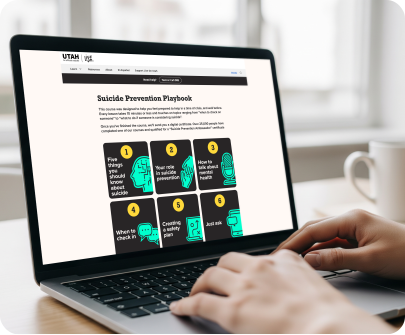
Suicide Prevention Playbook
This course was designed to help you feel prepared to help in a time of crisis, and well before. Every lesson takes 10 minutes or less and touches on topics ranging from “when to check on someone” to “what to do if someone is considering suicide”.
Once you’ve finished the course, we’ll send you a digital certificate. Over 25,000 people have completed one of our courses and qualified for a “Suicide Prevention Ambassador” certificate
for starting a conversation:
I’m worried about you. Can we talk about what you’re going through?
Hey, if something’s wrong, would you be willing tell me? If not me, then maybe someone else?
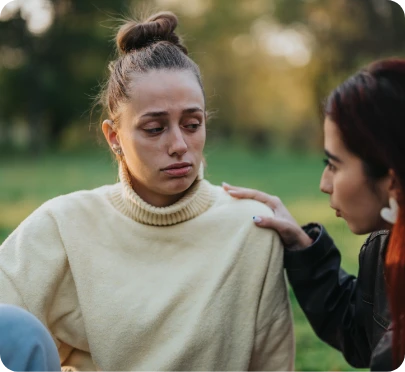
Be direct but warm
Asking clearly, “Are you thinking about suicide” gives them permission to be honest.
Talk somewhere private
Chatting somewhere they feel safe and starting with easy questions can help them be comfortable.
Listen more than talk
Letting them take the lead and listening without judgment helps build trust.
Agree with how they feel
Taking their feelings seriously without offering solutions shows how much you care.
Share facts, not interpretations
Mentioning the changes they’ve made, not labels or guesswork, helps ground you both.
Don'ts
Don’t minimize or compare
Saying phrases like “You have so much to live for” or “It could be worse” can feel dismissive, even if you mean well.
Don’t promise secrecy
Encouraging your loved one to talk to other people shows that you care and that you’re honest.
Don’t debate their feelings
Validating their emotional pain is more important than any logic or opinions you have.
Don’t wait for the ‘perfect moment’
Talking before an emergency happens will make them feel safer, not the opposite.
Don’t use stigmatizing language
Saying things like “committed suicide” or “failed attempt” can be scary for both you and them.

There are many safe places in Utah where anyone you know can go for free, if they need a place to stay the night.

- After your first chat, check in after a few days. Just sending a text can help.
- Keep it simple and brief. Small, constant reminders like “Hey, just wanted to remind you that I care” will make a difference.
- Include anyone who’s struggling in your day-to-day activates. Keep doing everyday, normal things with them.
- Help them connect with resources like 988, so they have extra support for when you’re not available.


Helper testimonials
“The people who came were kind and helpful. I'm so grateful for this program. It's just the help we need when my teen has explosive outbursts.”