Military Veterans
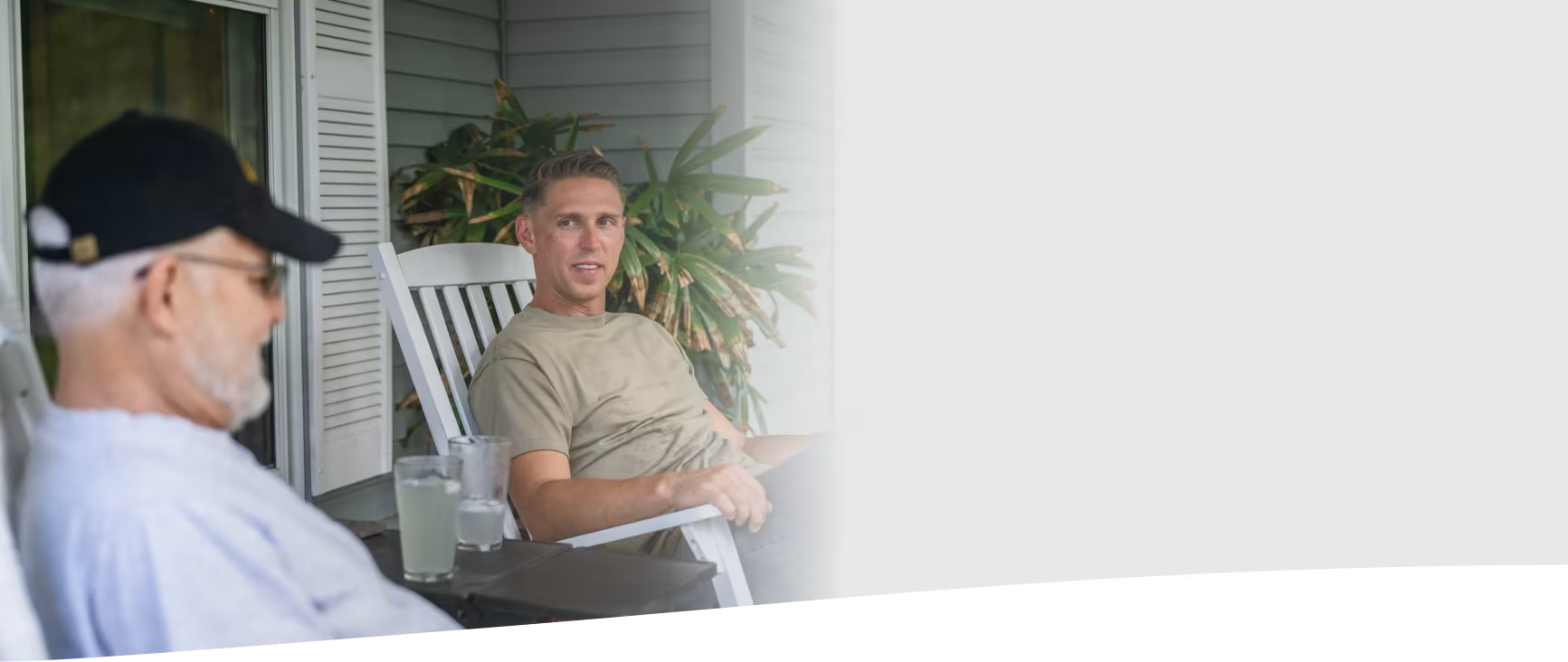
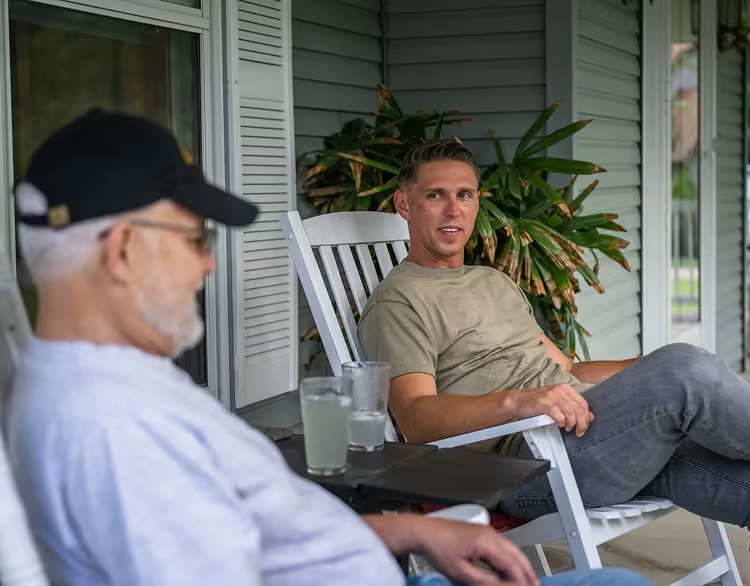
You served with courage—now let us serve you. We connect you to veteran-focused resources, peer networks, and professionals trained in military culture.
You’re Not Alone

Veterans are five times more likely to experience major depression than civilians — this is a common challenge, not a personal weakness.1

Over 40% of veterans with higher peer support engagement showed reliable positive change in psychiatric symptoms.2

Combat veterans receiving short-term counseling showed medium-to-large improvements in PTSD, anxiety, and depression symptoms.3

Among veterans diagnosed with depression, 33.2% also have a PTSD diagnosis — experiencing multiple conditions is common, and treatments exist for both.4
Helpful Resources
National Guard SafeUT
(833) 372-3364
Support for National Guard members, civilian personnel, and their families. Link to professionals who are trained to understand your unique challenges.
Visit Resource
 (opens in a new tab)
Veteran’s Self-Check Quiz
Supports families and individuals with culturally responsive therapy and care.
Visit Resource
(opens in a new tab)Make the Connection
Hear veterans and their loved ones talk about their experiences, challenges, and recovery.
Visit Resource
(opens in a new tab)Veteran’s Crisis Line
24/7, confidential crisis supports for Veterans, service members, and their loved ones.
Call 988 and press 1
6 Coping Mechanisms
to Maintain Good Mental Health
Page Sources
- 1.Mission Roll Call. “The State of Veterans’ Mental Health [2024].” Mission Roll Call, 24 Sept. 2024. https://missionrollcall.org/veteran-voices/articles/the-state-of-veterans-mental-health/
- 2.Ellison, Marsha Langer, et al. Examining the Impact of Peer Specialist Services on Housing and Behavioral Health among Veterans Residing in HUD-VASH. U.S. Department of Veterans Affairs, July 2020. https://www.va.gov/HOMELESS/nchav/docs/Ellison_ImpactPeerSpecialistServicesVeteransHUD-VASH_July2020.pdf
- 3.Goodson, Jason, et al. “Combat Veteran Mental Health Outcomes After Short-Term Counseling Services.” Journal of Veterans Studies, vol. 11, no. 1, Apr. 2025, pp. 129–141. https://doi.org/10.21061/jvs.v11i1.672
- 4.Close, Laura. “Veterans’ Mental Health | PTSD, Anxiety, Addiction & More.” VeteranAddiction.org, 15 Dec. 2025. https://veteranaddiction.org/mental-health/
- 5.“How to Cope With a Traumatic Event.” Military OneSource, 15 Jan. 2025. https://www.militaryonesource.mil/health-wellness/mental-health/how-to-cope-with-a-traumatic-event/